Mye magi i konsertinnspilling fra rundt 1970! Vi har litt å gjøre vi som vil følge med på Neil Youngs arkivutgivelser. Og godt er det! Og i tillegg til alle utgivelsene kan man strømme konserter – noen med dårlig lyd – fra neilyoungarchives.com. Jeg har bare hørt ett par stykker av dem og føler meg dermed litt på defensiven sammenliknet med den mest hardbarka fansen.
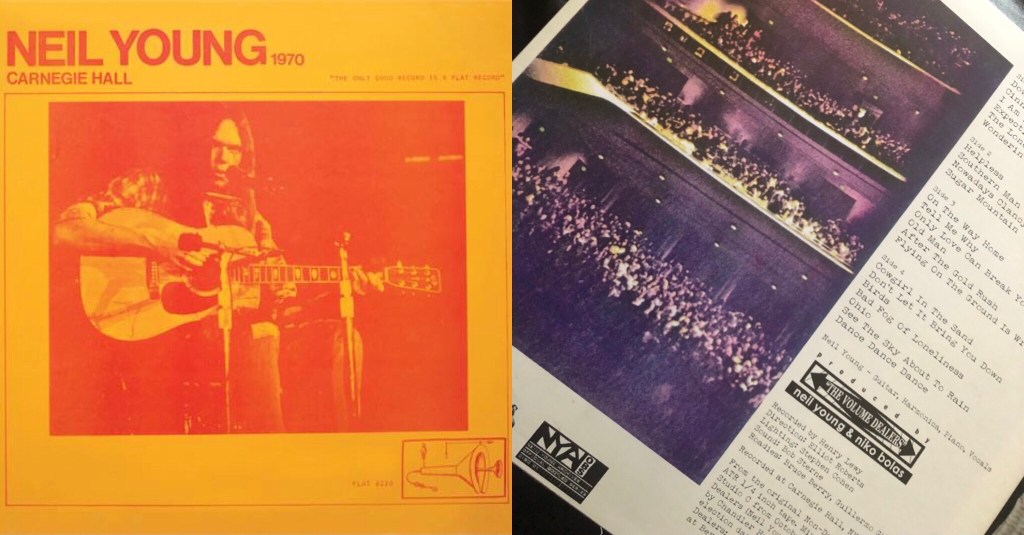
Nå er Neil Young i gang med en ny serie av utgivelser, The Bootleg Series. Dette vil være konsertopptak med bedre lyd enn de som har sirkulert som bootlegs. Først ute er en legendarisk konsert fra Carnegie Hall i New York , 4. desember 1970, der Neil Youngs foreldre er til stede. Noen av oss merker oss også at plata er produsert av «The Volume Dealers», Neil Young» & Niko Bolas, produsenter for «This Notes For You» (1988), «Freedom» (1989) med mer.
Langt og til tider magisk konsertopptak fra desember 1970
Dette er en solokonsert med den akustiske siden av Neil Young. Arkivutgivelsene har etterhvert gitt oss flere solokonserter fra rundt 1970, og om du trenger én til, avhenger kanskje av ditt nerdenivå, eller om du har noen av disse opptakene fra før. Men om du legger tidligere utgivelser til side, snakker vi om 90 flotte minutter der Neil Young er fokusert og engasjert og allerede har en unik samling låter i bagasjen! Om du skal velge én soloinnspilling med Neil Young fra rundt 1970, kan det like gjerne være denne mest fullstendige av dem! Prisen er denne gangen akseptabel for en dobbelt-LP.
Om du aldri har hørt Neil Young solo i konsertopptak fra rundt 1970, får du ei strålende pakke med 22 udiskutabelt sterke låter, og én bonuslåt. Selv om dette er en bootlegserie, og «Shakey Pictures Records» trykket på omslaget kan antyde at lyden ikke er 100 prosent, høres dette bra ut for mine noe reduserte ører. Så kan man si at opptakene på «Carnegie Hall» ikke skiller seg vesentlig fra tidligere konsertopptak fra samme periode, og at å høre forskjell krever litt forskning.
Selv synes jeg uansett det var deilig å sette på plata en lørdags morgen. Hodet var litt slitent etter ei uke med en god del jobbing. Så jeg tenker ikke, lar bare Neil atter en gang ta meg med til de de kjente og kjære sangene. Noen ganger er det mer enn nok.
Kanskje må du høre denne, du også?
Gjentatte lytting viser dog også at det er forskjeller fra tidligere utgivelser som fine «Young Shakespeare» utgitt tidligere i år. Hele 23 låter, flere forskjellige fra den til nå mest omfattende utgivelsen «Massey Hall», gjør dette til et fint supplement. Fine Buffalo Springfield-låter, flere bak piano, er et stort pluss. «Flying On The Ground Is Wrong», «Nowadays Clancy Can’t Even Sing», «Expecting To Fly» er alle høydepunkter her. Så må jeg også nevne at låter som «Old Man» og «After The Gold Rush» har en litt annen vinkling, litt annerledes musisering enn jeg kan huske å ha hørt tidligere. Jeg vil også gjerne trekke frem en hudløs «Southern Man». Sterk!
Låten «Dance Dance Dance» er en gjenganger på flere av 1970-opptakene. Den er ingen favoritt hos meg, men her får du den uten den irriterende klappingen som skjemmer andre innspillinger av låten og dessverre enkelte andre låter på denne plata: «Sing along, don’t clap!»
Om du er som meg, ser jeg ikke bort fra at du trenger å kjøpe «Carnegie Hall», eller i det minste strømme albumet noen ganger, du også. Så forstår jeg også om du ikke er interessert nok og styrer unna – det er helt opp til deg. For meg har denne tilstrekkelig «nytt» å by på til at jeg måtte ha den. Og samlet er det jo også en særdeles flott og inspirert konsert!
Jeg håper også at det utgis noen bandkonserter i serien. Det er kanskje mer utfordrende å få til akseptabel lyd på de opptakene?
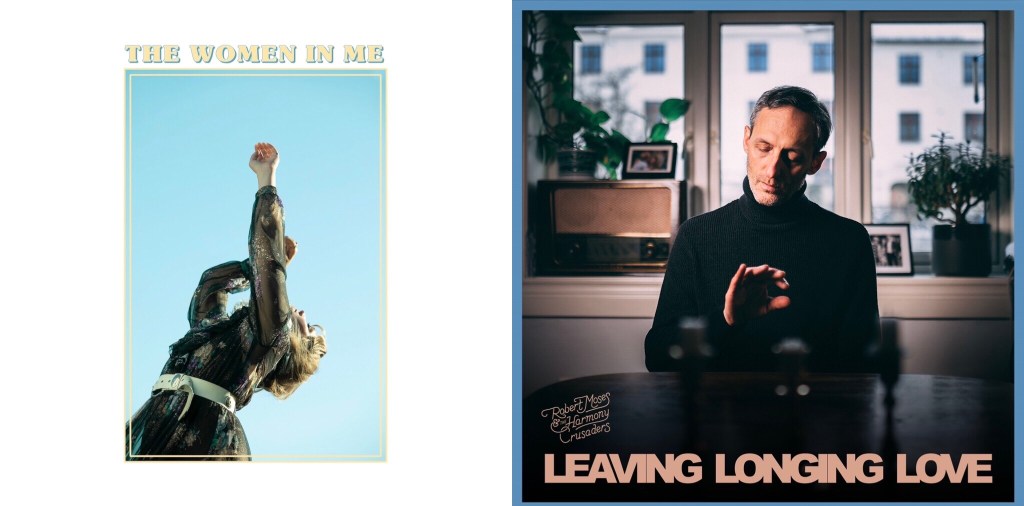
The Northern Belle – The Woman In Me (album 2021) Robert Moses & The Harmony Crusaders – Leaving, Longing, Love (album 2021)
Før vi begynner
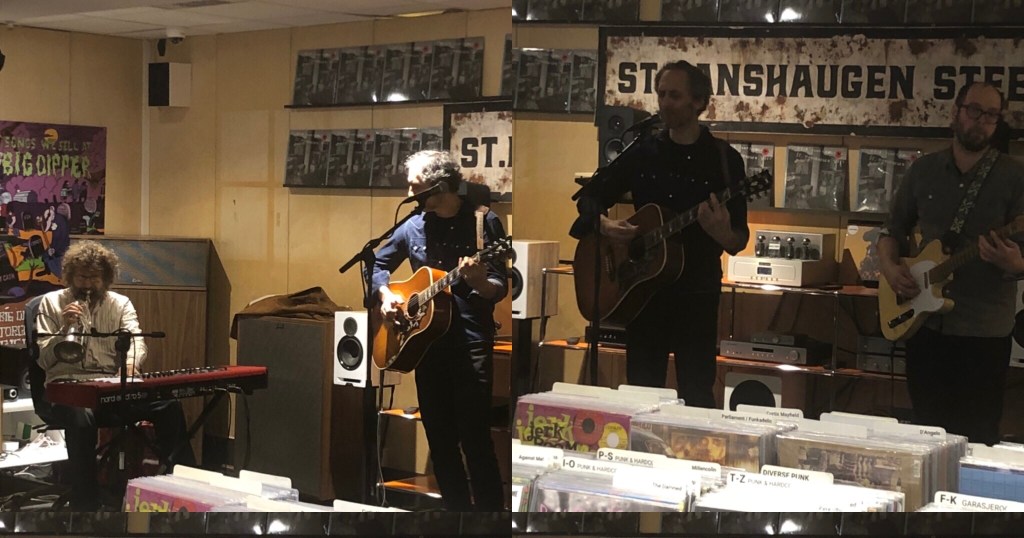
Før vi begynner, tar jeg et lite etterord. Det skjer mye spennende på musikkfronten i dag fredag 1. oktober. Jeg hr vært på reisefot de siste dagene, og avspiste meg selv med 20 vel anvendte minutter på minikonsert i platebutikken Big Dipper i Oslo (nei, rakk ikke begynnelsen) med Robert Moses. Dette var veldig fint, og jeg ble mer bevisst på hvor bra Robert synger. Så da syntes jeg nesten at jeg måtte justere litt på omtalen som følger under, en omtale som har vært ferdig ei ukes tid.
Her kan du lese om både Robert Moses & The Harmony Crusders helt ferske plate og et album med nye låter fra Northern Belle.
Innledende betraktninger
Navnet på bloggen min, Gubberock, kan blant mange ting henspeile på at jeg ikke så ofte beveger meg langt utenfor komfortsonen min når jeg hører på og skriver om musikk. I dag skal jeg gjøre et unntak. Du kan ta det helt med ro, jeg skal heller ikke denne gangen kvesse slaktekniven, men heller øse litt av min tvil, tro, personlige smak og prosess knyttet til to plater jeg har hørt ganske mye på. Og når det kommer til stykket, er jeg kanskje ikke så veldig langt unna komfortsonen min, denne gangen heller. Jeg pleier ikke å dele ut karakterer, men begge disse albumene kunne fort havnet rundt 7/10.
Selv om mye av musikken jeg hører på for mange fremstår som snill, har den ofte litt røffe kanter. Disse røffe kantene synes jeg det er vanskelig å få øye på i The Northern Belles musikk. Jeg har tidligere ikke brukt mye tid på dem, jeg har ikke blitt dratt inn i landskapet deres. Robert Moses er et nytt bekjentskap. Det nye album hans hadde jeg egentlig lagt til side da jeg ga det et par nye gjennomhøringer, og da ga det et nytt, og ikke minst et mer positivt inntrykk. Når jeg leter litt bak overflaten, hører mer etter, letter mye av tåken. Så vil jeg også tilføye at begge har fått flere sjanser enn jeg vanligvis ville gitt album jeg i utgangspunktet har på følelsen er laget for andre enn meg.
Er dagens to album americana? Ja, nå snakker vi ikke lenger bare om americana, men om nordicana for musikk som blander elementer fra country, folkemusikk og indiepop. Jeg tenker de nye albumene til både The Northern Belle og Robert Moses & The Harmony Crusaders kan falle inn i denne kategorien. Så må man gjerne si at The Northern Belle også har noen doser elektronika over seg, mens det i presseskrivet til Robert Moses nye plate understrekes at musikken hans vanskelig lar seg kategorisere med elementer av blant annet americana, kammerpop og bluesrockere. I gamle dager ville jeg kalt begge platene for popmusikk uten å fundere noe nærmere over det.
Northern Belle – tåke, gjengrodde stier eller åpent landskap?
The Northern Belles album «The Woman In Me» er det albumet jeg har rukket å høre mest på av dem. Albumet klokker inn på 29 minutter, noen omtaler det som EP, eller minialbum. Det sies også at dette et eksperimentelt hvileskjær, ikke en oppfølger til fjorårets kritikerroste «We Wither, We Bloom». Den diskusjonen blir uansett The Northern Belle for viderekomne, og i den kategorien er definitivt ikke jeg. Dette låter helhetlig nok for meg, og jeg har hørt flere «fullengdere» på under halvtimen i år.
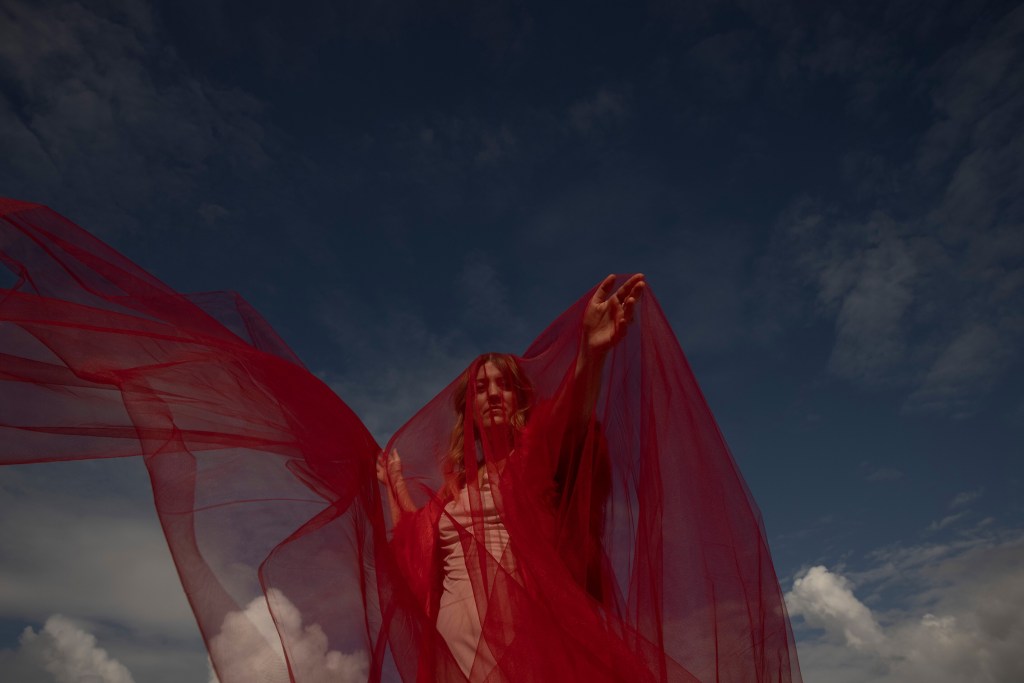
Foto: Julia Maria Naglestad
«The Woman In Me» har syv låter hvorav to av dem er coverversjoner av hhv. Sufjan Stevens «Chicago» og John Prines fantastiske «The Summer’s End» fra hans siste album. Begge låtene glir sømløst inn The Northern Belles musikalske landskap på dette albumet, og hadde jeg ikke visst bedre kunne jeg trodd også disse låtene var laget av dem. De har gjort dem til sine; i hvert fall godt lånt!
Jeg har sett hovedpersonen bak The Northern Belle, Stine Andreassen, gjøre Townes Van Zandt på Herr Nilsen i Oslo, og når hun nå i tillegg covrer John Prine kan jeg vel egentlig ikke påstå at jeg har beveget meg veldig langt unna komfortsonen min? The Northern Belles versjon av «Summer’s End» er veldig flott, les mer om den her. Jeg har lest at Stine traff Phoebe Bridgers på toalettet på John Prine-konserten i Oslo Konserthus i august 2018, og når også Phoebe Bridgers har covret «The Summer’s End» faller det veldig naturlig å sammenlikne The Northern Belles «The Woman In Me» nettopp med det nye stjerneskuddet Phoebe Bridgers. Bridgers album «Punisher» var av fjorårets aller beste, men jeg synes faktisk hun var enda bedre året før da hun måtte bryne seg på de skarpere kantene til Conor Oberst i deres fellesprosjekt «Better Oblivion Center».
På samme måte kunne jeg tenkt meg at det stakk frem flere kvister, steiner og landemerker som gjorde det enklere å manøvrere i landskapet på «The Woman In Me». Men da snakker vi fort om ei annen plate og et annet lydbilde enn det noe mer svevende Stine stort sett har ønsket å skape. Og når jeg først er i gang med å sammenlikne, kan jeg jo tilføye at i likhet med Phoebe Bridgers, klarer The Northern Belle seg helt fint på egenhånd. På egenhånd er å ta sterkt i forresten: Foruten Stine Andreassen består bandet av Ole-André Sjøgren, Bjørnar Ekse Brandseth og Yngve Jordalen på diverse gitarer, Trym Gjermundbo på trommer og innslag fra blant andre Johanne Flottorp på hardangerfele og enda flere, blant dem den tidligere pianolæreren til dattera mi. Mye lekkert. Pluss for hardingfela som skaper variasjon. For det er variasjoner her, noen ganger mer country, noen ganger mer taktfaste trommer.
På den utsøkte versjonen av «Chicago» er det et stjernekobbel som også teller Ida Jenshus, Louien, Malin Pettersen og Signe Marie Rustad. Store deler av den norske americanafamilien samlet på ett brett, der altså. Men riktig fin har den blitt. Stemmene danser og flyter over i hverandre. Et klart høydepunkt på albumet!
Flere av de øvrige låtene har også flotte partier der min tåke har lettet. Andre ganger famler jeg mer på gjengrodde stier, kanskje fordi ikke alle låtene gir helt ved dørene. Skal jeg trekke frem høydepunkter i tillegg til de to coverlåtene, må det mest av alt bli den til tider drivende «Kaleidoscope Dream» og tittellåten – med nydelige gitarer, tromme og bass. Men de øvrige tre låtene har også noen fine og og til dels spennende elementer å by på uten at de når helt opp til de fire beste. «Only Stupid Kids Get Bored» – instrumentalgruppen Orions Belte bidrar – og «No Rush» er nok de låtene jeg liker minst. Førstnevnte er kanskje den låten der man herjer mest med lydbildet uten at jeg helt skjønner hvor låten har tenkt seg. Mye krydder, men den kjeder meg litt likevel. «Two Rhythms» er finere, har en mer definert melodi, kanskje en en slags norsk countrylåt med noko attåt?
Samlet konkluderer jeg derfor med at The Northern Belle har laget et riktig fint album, selv om jeg skal spare «wow» og andre kraftuttrykk anledninger.
Foto: Julia Maria Naglestad
Robert Moses & The Harmony Crusaders – originalitet og variasjon
Robert Moses ankom Norge på en sykkel i 1996 og dro aldri, skal vi tro presseskrivet til albumet. I 1996 var det skriving, skuespill og tegning som var hovedfokuset for mannen med musikkbakgrunn fra Chicago. For noen år siden vendte han tilbake til musikken. Han fikk med seg bandet The Harmony Crusaders som også deltar på det nye albumet «Leaving, Longing, Love», og med den tittelen så vet vi kanskje også det meste om hva tekstene handler om? Produsent er Bendik Brænne. 9 låter og knappe halvtimen dette også, men utvilsomt et album.
Foto: Nikolai Grasaasen
Første låt «Living Is Easy With Heartache» er platas aller fineste. En varm og blid sang drevet av Roberts særpregede stemme, nydelige overganger, klanger og kor. En musikalsk humørperle og sikker vinner, selv om teksten bærer preg av at alt ikke går så bra likevel!
Robert synger åtte av ni låter selv. Den allestedsnærværende Malin Pettersen – vi møter henne på The Northern Belles album også – synger låt nummer to, «Our Next Step», en fin låt med mange lekre detaljer. Produsent Bendik Brænne setter nok sitt stempel flere steder. Utvilsomt et album som vokste da jeg tok på meg hodetelefonene!
«Rush My Heart» åpner litt anonymt, men eksploderer i flotte partier underveis, partier som gir meg korte, men deilige «wow»-øyeblikk! Låten «I Love You» får jeg ikke tak på, fine fløyter til tross. Så får jeg skynde meg å føye til at minikonserten på Big Dipper antyder at jeg har undervurdert låten.
Om jeg husker riktig, er låten «Happy Birthday, Alex» skrevet til trommis og bransjemann Alexander Lindbäck. En stakkato og kvikk liten sak med blåsere og det hele. Morsom!
Så blir det savn i «Come Back To Me Olivia». En låt som holder på å falle sammen under sin egen vekt, men den overlever i kraft av fiffige påfunn og originalitet. En låt med et visst øst-europeisk preg? Et lite høydepunkt!
Jeg elsker trommingen på «Hello My Little Star», men melodien får jeg ikke tak på. Trolig albumets svakeste låt sammen med «I Love You». Men jeg har samtidig en følelse av at den har en kode jeg ikke har knekket enda. Hm!
Nest siste låt «All Life Is Magnetic». Distinkte tangenter innledningsvis, svevende vokal, atmosfærisk og skiftende lydbilde. Fin? Snodig i hvert fall!
Avslutningslåten, den mer konvensjonelle, men nydelige «Show Me», har piano i sentrum. En flott avslutning på albumet!
Alt i alt er «Leaving, Longing, Love» et fint album, og det er til tider originalt og forskjellig fra det meste annet du får høre i år. Godt jobbet av Robert Moses & Harmony Crusaders for ikke å glemme produsent Bendik Brænne!
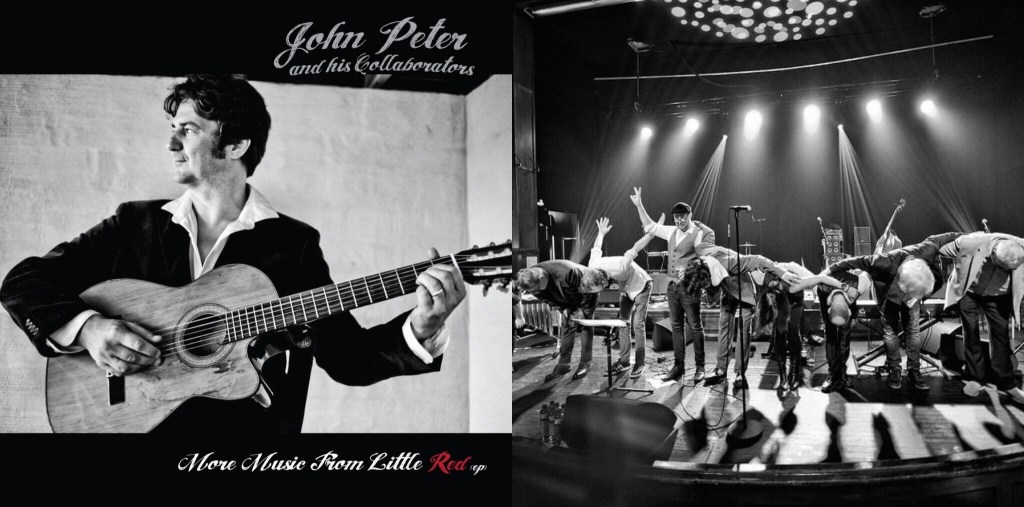
John Peter and his Collaborators – More Music From Little Red (EP 2021).
Foto og design: Ketil Hardy
«The Summer is gone, I’ve got toothache in my heart».
Ja, slik begynner «Another Now», en av seks flotte låter på den nye EP’en til John Peter and his Collaborators, «More Music From Little Red». «Another Now» er en godsinnet sang inspirert av Scott Fitzgerald og Velvet Underground, sier John Peter Støa, hovedpersonen bak prosjektet. Ikke uten en twist, kan åpningslinjen tyde på.
Låten er sunget av John Peters søster, den fantastiske sangeren Eva Marie Støa. Den ble sluppet som singel tidligere i år. Som singel var den flott, men det er sammen med andre låter den virkelig kommer til sin rett ikke minst fordi stemmen til Eva Marie bidrar til både til de kontrastene og paradoksalt nok den enheten som John Peter and his Collaborators skaper på sine album. Om vi skal holde oss til Velvet Underground: Låten er litt «Pale Blue Eyes» som glir litt over i «Run Run Run». En låt der John Peters finurlige formuleringer og musikalske krumspring er høyest tilstedeværende.
Favorittband!
«More Music from Little Red» er oppfølgeren til fjorårets kanskje aller beste norske plate i mi bok, «Music From Little Red». Når jeg så igjen kan nevne at «Music From Little Red» var oppfølgeren til «Transparent Blue» som igjen var en av mine desiderte favorittplater fra forrige tiår, snakker vi om et favorittband. Tidligere album er nå tilgjengelig på strømmetjenester, så nå har du alle muligheter til å følge utviklingen til dette Skienbaserte bandet, som jobber frem musikk i ei lita rød hytte i Trysil, hytta til hjernen bak prosjektet, John Peter Støa.
De første albumene «Muse For Sale» (2001) og «All Is Forgiven» (2012) har, forsåvidt i likhet med «Transparent Blue» (2017) og «Music From Little Red», elementer av Tindersticks og Nick Cave, men universet favner mye mer enn dette, og har stadig blitt utvidet med innslag av latino, sigøynermusikk, fransk og belgisk musikk og sikkert mye mer og blitt til den musikalske smeltedigelen John Peter and his Collaborators er i dag. Noen av disse elementene har kanskje i noe mindre grad enn fullengderne funnet sin plass på denne EP’en. His Collaborators er en rekke musikere som blant annet, og jeg understreker blant annet, spiller følgende instrumenter:
Geir Fragell: piano, orgel
Carsten Holt: elektrisk gitar
Øystein Imsen: fele og filoin,tamburin
Stian Langerud: vokal
Ffedrik Lehmann: trommer
Terje Nylund: bass,
Bjørn Erik Støa: elektrisk gitar,
Eva Maria Støa: sang
John Peter Støa: vokal, akustisk gitar, trøorgel
Kim Wild: Vibrafon, tamburin
Dan Riis: akustisk gitar, spansk gitar
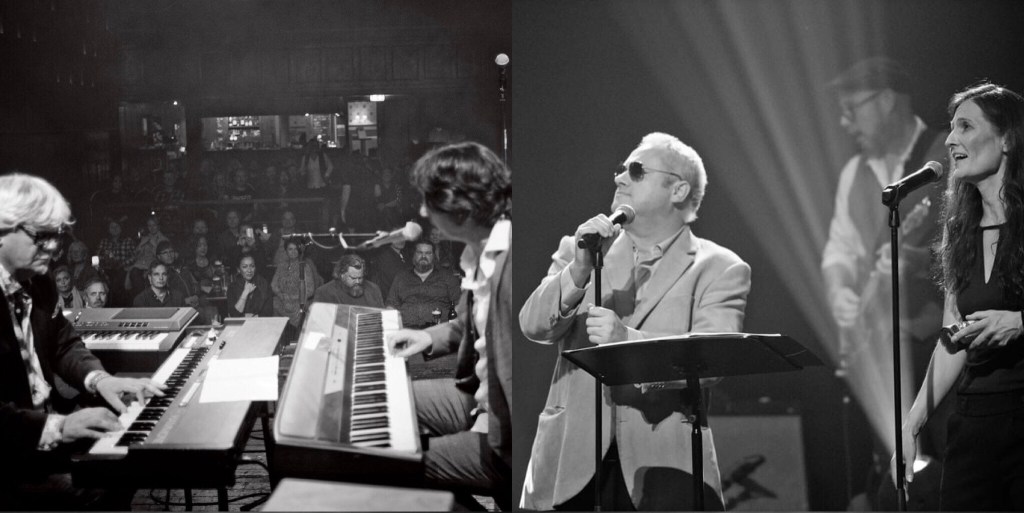
Jeg tenker dette laget sier litt om hvilke muligheter John Peter har når han skal lage musikk! Mulighetene brukes godt, det blir aldri overlesset, mer som en variert forundringspakke. Barnestemmer er med som en bonus!
Foto: Ketil Hardy
Mange referanser og innfall
EP’en begynner med låten «Dignity Lost», en spansk gitar langt fremme i lydbildet godt støttet av mange flere instrumenter etterhvert som låten utvikler seg. John Peter synger teksten som handler om flyktningers situasjon, og vår manglende evne eller vilje til å hjelpe dem, «Dignity Lost». Og det ligger hint til enkeltpolitikere, om du f.eks. hører åpningen på låten baklengs!
John Peters plater har ofte referanser til andres musikk. Noe fanger jeg opp, noe får andre ta seg av. Denne gangen er det for meg et tydelig hint til en Warren Zevon-låt. Du kan jo selv se om du finner det. En viktig inspirasjonskilde for John Peter Støa er den franske multikunstneren Serge Gainsburg. Både på «Dignity Lost» og tidligere album er det referanser til hans album «Melody Nelson».
«Where The Children Come To Play» etterfølger allerede nevnte «Another Now» og er EP’ens tredje låt. Denne gangen er det Stian Langerud som synger. En litt skummel godnatthistorie, ender det godt tro? På «The Older Benjamin» på EP’ens side to får vi, forhåpentligvis, en litt satirisk historie om hvordan småbarnslivet kan arte seg. Mye morsomt musikalsk krydder uten at jeg her skal gjøre rede for ingrediensene. Festlig!
Helt til slutt, «On The Top Of The Lake», en av flere låter med morsomme og overraskende formuleringer. En flytende meldodi der trøorgel og Øystein Imsens nydelige fiolin er blant hovedingrediensene. I likhet med «Dignity Lost» kan man tolke inn et politisk budskap, i hvert fall et lite stikk, og jeg lurer med ett på om den politiske brodden er ny hos John Peter, eller om den har vært der hele tiden:
«The government will tell you that they have cleaned up the water, so it’s safe to drown».
Mere, mere!
Der forgjengerne var store doser musikk å fordøye, forlater «More Music From Little Red» meg med en følelse av å være litt avspist. Jeg vil ha mer. Mer av de de gode melodiene, mer av de musikalske og tekstlige krumspringene. Og det er vel akkurat en slik følelse man bør sitte igjen med etter å ha hørt EP’en. Musikken kan strømmes, og om du tar kontakt med John Peter Støa kan han sikkert selge deg et fysisk eksemplar. Se John Peter and his Collaborators i levende live i Skien lørdag 23. oktober eller i Trysil i lørdag 20. november. Det blir garantert gøy!
Fredag 1. oktober viser Rootsy igjen fram nye, solide norske americana-navn på Thorvalds på Grünerløkka i Oslo. Nye navn, men flere allerede godt kjente og etablerte. Dette må bli bra! Fri adgang.
Vi ser sånn fram til dette, og gleder oss til å vise fram alle artistene, snakke med hverandre og bare henge sammen! Håper noen får en ny favoritt, og ny inspirasjon!
Vibeke Sjøvold, Rootsy
Johan Berggren: Johan Berggren fikk Spellemannominasjon for Lilyhamericana, og det nye albumet «Ei hytte foran loven» er minst like bra. Gubberock har omtalt dem begge. Det går rykter om full jubel på konsertene hans! Les om «Ei hytte foran loven» her.
Rossman: Gubberock har nylig omtalt Rossmans flotte, nye album og minst like gode konsert i Oslo for få uker siden. Dette blir bra! Les mer her!
Rebbeka Lundstrøm (foto: Tormod Reiersen), Johan Berggren (foto: Ali Nije) og Rossman (pressebilde) blir alle å se på Rootsy Showcase førstkommende fredag.
Thorleif Bratval: Den 21-årige viserockeren Thorleif Bratval debuterte i fjor høst med albumet “Sjelefred” til stor begeistring blant annet for Gubberocks ene medarbeider. Siden den gang har han sagt opp jobben som fører av Oslotrikken, og signert med STAGEWAY, forteller Rootsy.
Even Martinsen: Gubberock kjenner ham ikke og siterer Rootsy: «Even Martinsen er født og oppvokst i Oslo, skriver låter på godt og vondt, mens han vever inntrykk og ord til historier om det meste mellom himmel, jord, virkelighet og drømmer. Even Martinsen er godt plantet i det moderne americana-landskapet, med tydelige nikk fra hattebremmen til både blues og country.» Spennende!
Rebekka Lundstrøm: Rebekka platedebuterte i mars 2020 med albumet «Carousel». Gubberock har allerede skrevet om henne flere ganger og sett henne live. En personlig favoritt blant norske americana-artister. Les omtale av konsert med henne her.
Vegard Hertzberg: Vegard Hertzeberg har samarbeidet med Johan Berggren og hr første langspiller klar, “Lediggang” . Rootsy lover at vi introduseres til Oslo etter stengetid, og at det blir nakent og rufsete, og helt i stil med en endeløs natt i Tigerstaden.
DjBethsy DjBethsy spiller tradisjonell country, 70/80-talls country-rock og selvsagt americana mellom slagene.